
Lower Parel. 7 PM. The Tuesday right before the big Diwali sale. Total, absolute madness on the floor.
The marketing head practically sprints to my desk. The guy looked like he hadn’t slept since Thursday. Zero pleasantries. He just points at my monitor and goes, “I need the exact count of tier-2 city users who ditched their carts after using the promo code today. Ten minutes. Board is waiting.”
Now, if I was still doing my daily reporting in Excel? I’d have probably just packed my bag, walked out to get a cutting chai, and gone home. Done. Resigned. Dumping two million rows of raw transaction data into a spreadsheet? My old Dell would have literally started smoking.
But this right here is exactly why coding saves your life. Firing off proper SQL queries is basically a corporate cheat code. It takes you from “sir, give me three hours to VLOOKUP this” to “give me two minutes.”
Let’s ditch the boring textbook definitions. No one in management cares if you know the academic theory behind a relational database. They want answers. Yesterday. Here is how this stuff actually keeps you employed.
The Scavenger Hunt
Forget complex math. Most business problems are literally just giant digital scavenger hunts.
Let’s say we launch a new smartwatch. The CEO suddenly wants to know if our target demographic (20-somethings) is actually swiping their cards for it. You can’t guess. You need hard, undeniable numbers. Basic SQL commands are your lifeline here.
You write a tiny script to poke the massive sales table. You just tell it: grab the rows where the product is ‘Smartwatch V2’, the age is between 24 and 35, and the payment is ‘Success’. Done. That’s literally what database queries are—politely asking a server to filter out the noise and hand you the gold. Three seconds later, you have the count. No copy-pasting. No Excel crashes.
The Six Lakh Rupee Leak
Then there are the days you have to play detective. Finance calls up, panicking. We accidentally refunded six lakh rupees last week, and nobody knows why.
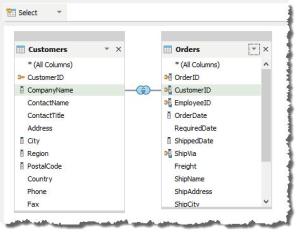
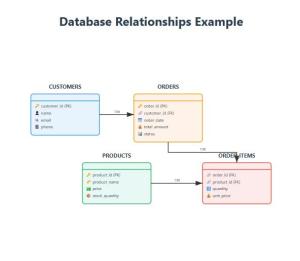
The data isn’t sitting in one nice file. Customer profiles are in one table, order logs in another, and the refund status is buried somewhere else. You have to stitch this mess together. Look, reading formal SQL examples of JOINs used to make my brain hurt, but on the job? It’s just matching things. Order ID to Order ID.
Suddenly, a trend pops up. You notice 95% of those weird refunds belong to users on a really old version of our Android app that had a payment gateway bug. Leak found. You export it, Slack the engineering lead, and save the day.
Don’t Drop the Production DB
Quick reality check, though. You will mess up.
I once wrote a script so terrible it locked up our entire production database for ten solid minutes. No customer could place an order because I forgot one simple date filter, and the server tried reading six years of data all at once. The CTO literally came down to my floor. Not a fun chat.
Getting your SQL syntax right is just step one. Step two? SQL optimization. You have to ask the database for things nicely. Don’t pull sixty columns if you only need four. Filter your dates first. It sounds dry, but optimized code is the difference between getting a result in two seconds and bringing the whole company to a halt.
Crossing Over to the Dark Side
A funny thing happens when you do this daily. You start getting deeply annoyed at how the bad data is generated in the first place. You spend two hours cleaning junk addresses and think, “Why doesn’t our app just force a GPS pin?”
If you get tired of cleaning up and want to build the systems that collect data properly, pivot. Find a solid flutter app developer in mumbai to mentor you, or take a weekend bootcamp to learn mobile UI. Or, if you want to handle the crazy backend pipes that process millions of UPI transactions before they even hit your database, signing up for a proper java full stack course is the standard move for analysts crossing over to engineering.
The Bottom Line
But until you build those apps, your job is to make sense of what they spit out.
If you want to survive, you need real SQL practice. Stop reading. Get a messy, massive CSV from the internet, dump it into a database, and start fighting it.
To actually learn SQL, you have to stop treating it like a university exam. Treat it like a tool to win arguments in the boardroom. Because when the Diwali numbers look totally wrong and the VP is losing it, the person who can write a three-line script to find the truth is the one actually running the meeting.
Keep reading
Data Analytics & BIHow to Create Professional Business Dashboards Using Power BIHow to Create Professional Business Dashboards Using Power BI explains how to build interactive dashboards using Power BI, Power Query, DAX, and best practices for effective…Data Analytics & BICommon Data Visualization Mistakes and How to Avoid ThemData Analytics & BITop Business Intelligence Tools Every Data Professional Should Know← Previous articleData Cleaning Techniques Every Data Professional Should MasterNext article →Top Business Intelligence Tools Every Data Professional Should Know